Archives
- 2026-08
- 2026-07
- 2026-06
- 2026-05
- 2026-04
- 2026-03
- 2026-02
- 2026-01
- 2025-12
- 2025-11
- 2025-10
- 2025-09
- 2025-04
- 2025-03
- 2025-02
- 2025-01
- 2024-12
- 2024-11
- 2024-10
- 2024-09
- 2024-08
- 2024-07
- 2024-06
- 2024-05
- 2024-04
- 2024-03
- 2024-02
- 2024-01
- 2023-12
- 2023-11
- 2023-10
- 2023-09
- 2023-08
- 2023-07
- 2023-06
- 2023-05
- 2023-04
- 2023-03
- 2023-02
- 2023-01
- 2022-12
- 2022-11
- 2022-10
- 2022-09
- 2022-08
- 2022-07
- 2022-06
- 2022-05
- 2022-04
- 2022-03
- 2022-02
- 2022-01
-
br Concluding remarks Several orphan GPCRs have expression
2022-07-01
Concluding remarks Several orphan GPCRs have expression profiles that indicate they are worthy of consideration as therapeutic targets. This view can be supported via various transgenic techniques, and it would be interesting to have wide-ranging phenotypic information on GPR35 knockout mice. Bas
-
br Discussion The pattern of activity exhibited by
2022-07-01
Discussion The pattern of activity exhibited by SSR 504734 and Lu AA21279 in the MEST test was very similar. Both compounds were inactive at the lowest dose (3.0mg/kg), but exhibited robust increases (∼150%) at 10mg/kg followed by a maximal detectable response at 30mg/kg. Based on the magnitude o
-
To shed more light on the binding
2022-07-01
To shed more light on the binding of benzophenanthridine to GlyT1, we studied how the replacement of certain residues around the sanguinarine sensitive cysteine 475 previously identified (Jursky et al., 2012) affects GlyT1 inhibition of by these alkaloids. Based on these results we propose a putativ
-
It is becoming increasingly apparent that
2022-07-01
It is becoming increasingly apparent that membrane lipids play a critical role in modulating and regulating protein function. For example, embedding the homologous SLC1 transporter GltPh in a POPE bilayer allowed a third Na+ binding site to be identified from MD simulations [42], and the binding ene
-
br STAR Methods br Introduction
2022-06-30
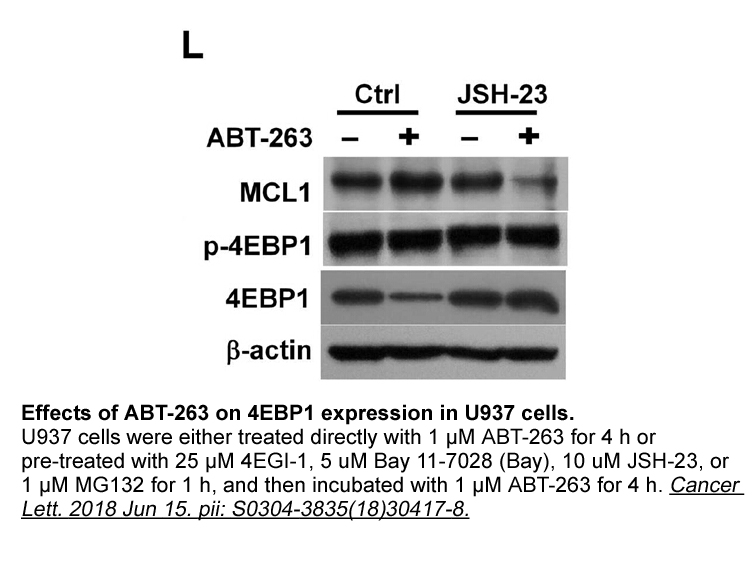
STAR★Methods Introduction γ-Secretase is a membrane-embedded proteolytic complex belonging to a diverse family of intramembrane-cleaving proteases and is composed of four integral membrane proteins: presenilin (PS), nicastrin (NCT), anterior pharynx-defective 1 (Aph-1), and presenilin enhancer
-
An advantage of photolabeling with tritiated photoprobes fol
2022-06-30
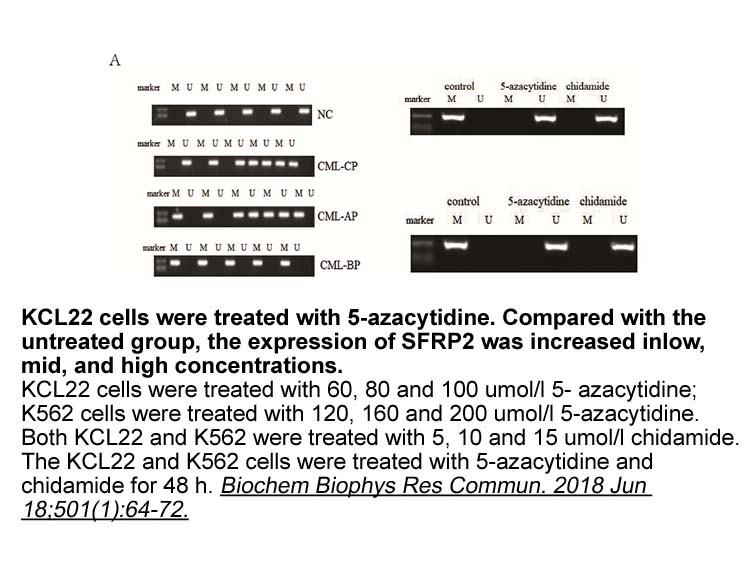
An advantage of photolabeling with tritiated photoprobes followed by microsequencing with Edman degradation is the ability to both identify the photolabeled Cinacalcet HCl and to quantify photoincorporation which enables assessment of pharmacological specificity and allosteric interactions with othe
-
CDX is also a tumor suppressor gene the ablation of
2022-06-30
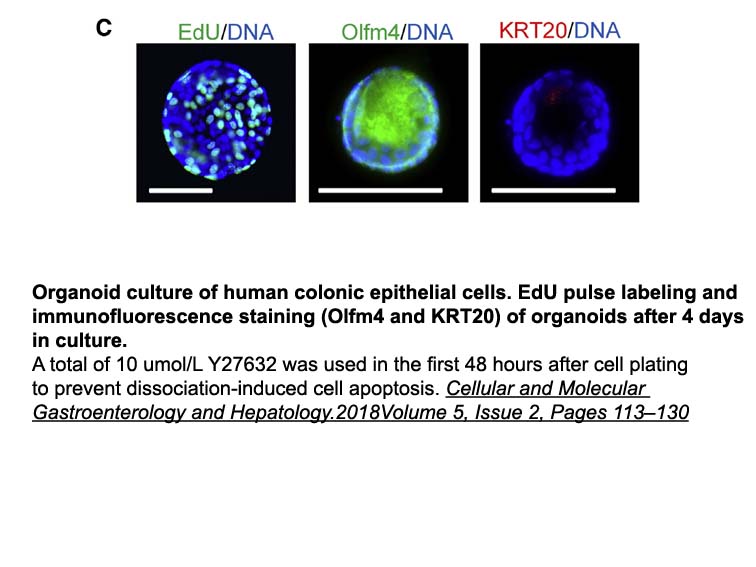
CDX1 is also a tumor suppressor gene; the ablation of CDX1 and CDX2 results in a significant increase in tumor formation in the colon. CDX1 is regulated by epigenetic modification; the hypermethylation of the CpG island at the promoter is positively associated with severe clinical phenotypes. In add
-
Depletion of PI P e
2022-06-30
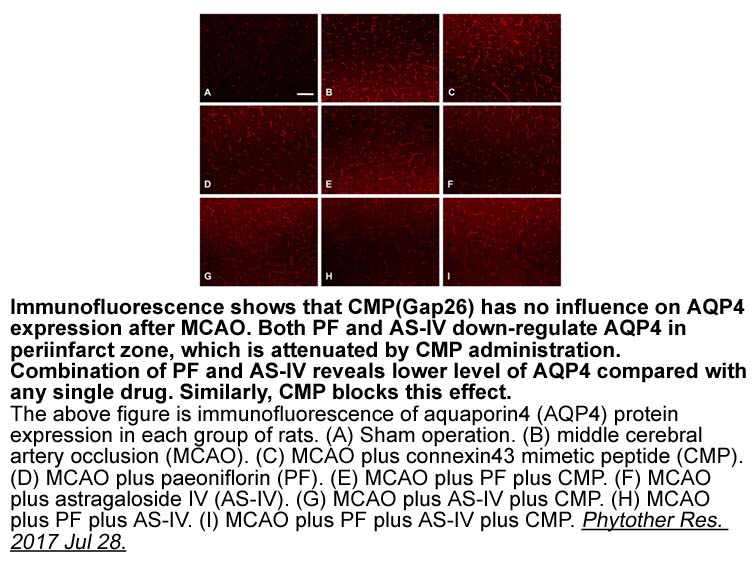
Depletion of PI(4,5)P2, e.g. by knockout of PIPKIγ, also profoundly inhibits SV endocytosis (Di Paolo et al., 2004). Conversely, loss of the PI(4,5)P2-metabolizing PI-phosphatase synaptojanin or its recruitor endophilin stalls SV recycling at the level of clathrin-coated vesicles (Bai et al., 2010,
-
Allergic rhinitis characterized by inflammation of the nasal
2022-06-30
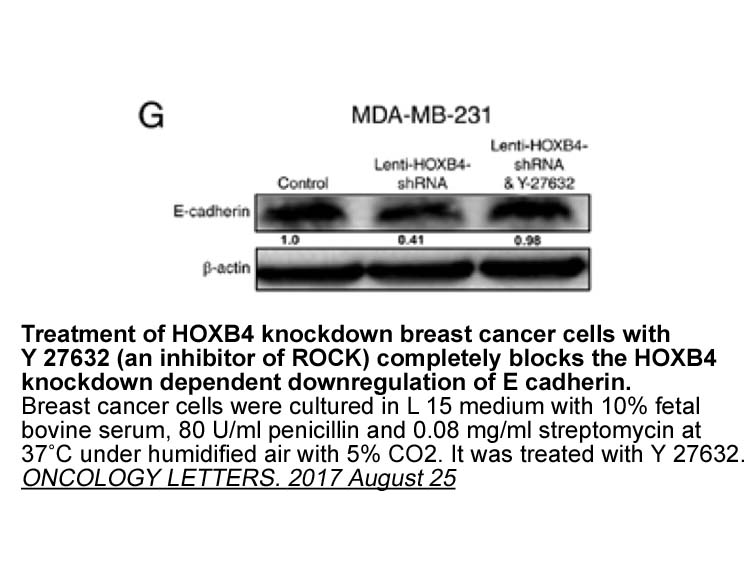
Allergic rhinitis, characterized by inflammation of the nasal membrane, results from an over-activated immune system exposed to 78 4 in sensitized individuals, and is associated with nasal congestion, rhinorrhea, sneezing, and pruritus. As histamine is a key mediator in triggering allergic rhinitis,
-
br Methods br Acknowledgements We
2022-06-30
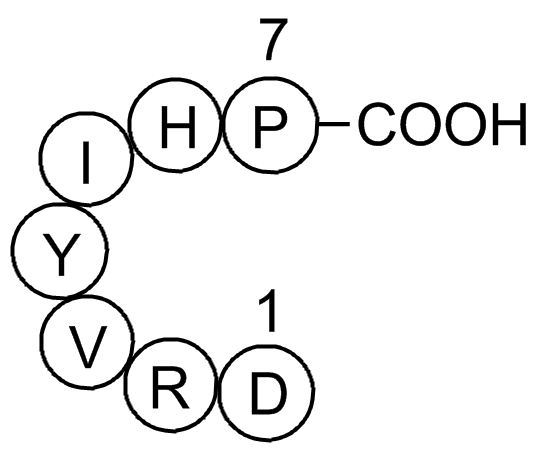
Methods Acknowledgements We are grateful to Eric Olson for providing Yap/Taz floxed mice, and to members of the Epstein lab for helpful comments and advice. This work was supported by NIH R01 HL118768, R35 HL140018, the Cotswold Foundation and the WW Smith Endowed Chair to J.A.E. The Hippo
-
Due to the importance of
2022-06-30
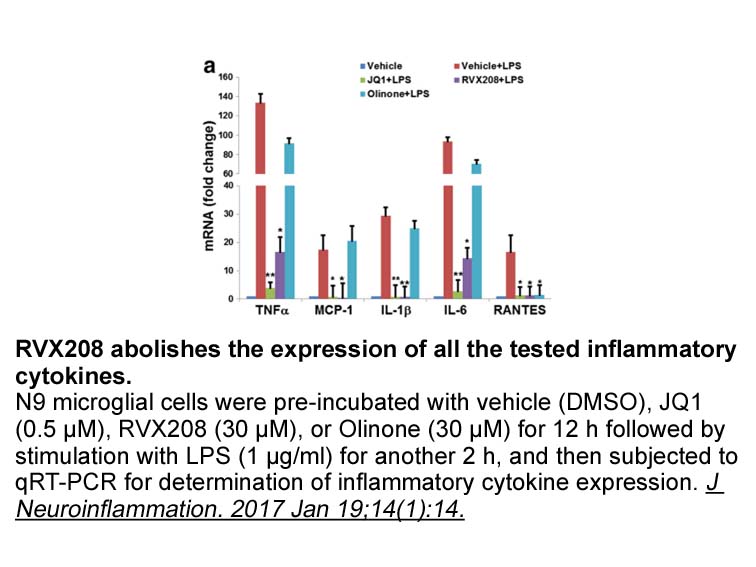
Due to the importance of gene regulation in cancers, HDAC inhibitors have been studied extensively in cancer biology and are in current clinical use as anti-tumor therapies [17]. The HDAC inhibitors vorinostat, romidepsin, and belinostat have been approved for certain T-cell lymphomas, and panobinos
-
br Cellular directionality To obtain a comprehensive underst
2022-06-29
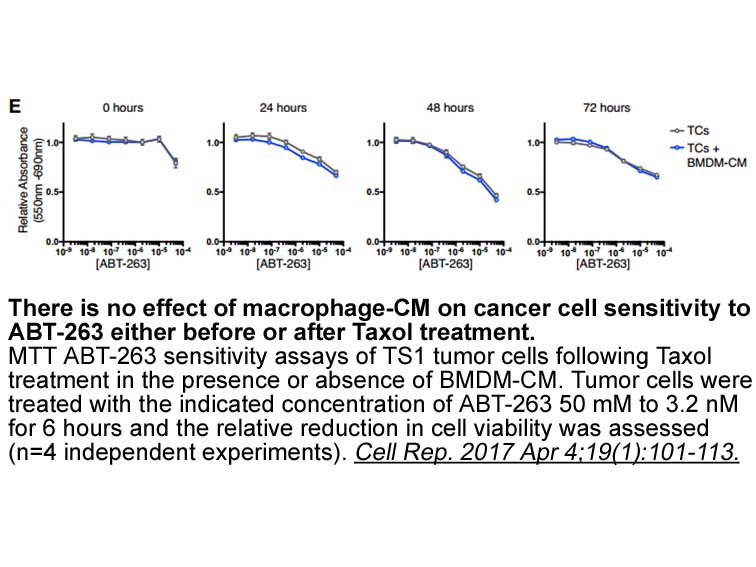
Cellular directionality To obtain a comprehensive understanding of cell migration, it is essential to understand how cues from the cell’s external environment are relayed to the Cyclosporin D cytoskeleton, so the cell can migrate towards the cue; a process herein referred to as cellular directio
-
Using RT PCR we demonstrated the expression of GPR
2022-06-29
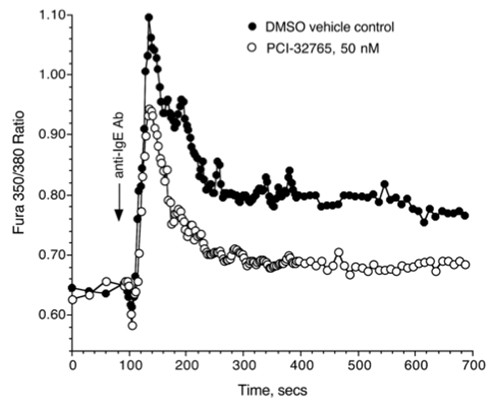
Using RT-PCR we demonstrated the expression of GPR55 receptor mRNA in the ileum and colon of mice, which is in good agreement with previous reports (Lin et al., 2011). The quantitative analysis showed the abundance of GPR55 mRNA in the mucosa of the ileum and colon. In contrast, in LMMP preparations
-
br FXR Agonists Azepinol b indole hEC nM
2022-06-29
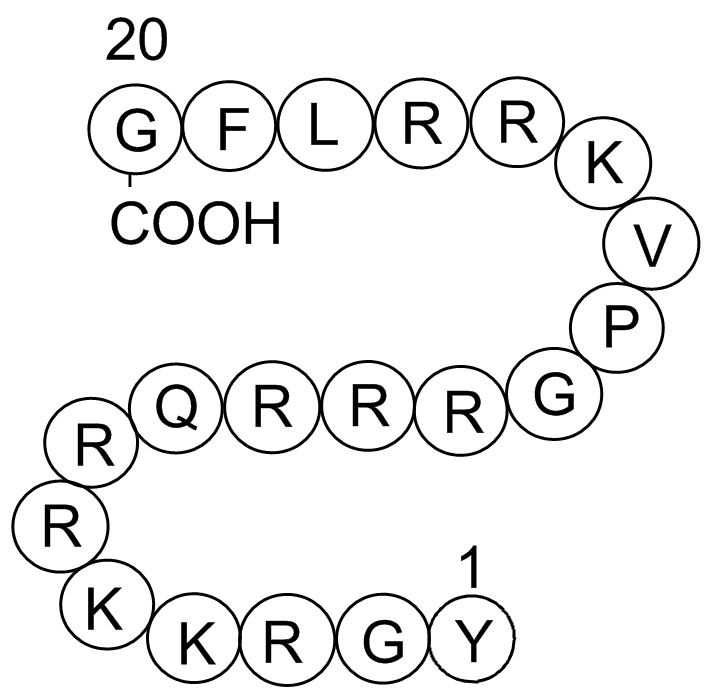
FXR Agonists Azepinol[4,5-b]indole 1 (hEC50=600nM, efficacy (eff)=100%) was identified as a FXR agonist lead from a high-throughput screening effort. Structure–activity relationship (SAR) studies around the azepine ring demonstrated that dialkyl substitution at C-1 led to a 30-fold improvement in
-
br Background In resource limited countries many HIV patient
2022-06-29
Background In resource-limited countries, many HIV patients currently do not have reliable access to essential diagnostic laboratory tests, including CD4, clinical chemistry, hematology, viral load, and diagnosis of common co-infections. CD4 T cell count monitoring remains an important surrogate
8510 records 464/568 page Previous Next First page 上5页 461462463464465 下5页 Last page