Archives
- 2026-08
- 2026-07
- 2026-06
- 2026-05
- 2026-04
- 2026-03
- 2026-02
- 2026-01
- 2025-12
- 2025-11
- 2025-10
- 2025-09
- 2025-04
- 2025-03
- 2025-02
- 2025-01
- 2024-12
- 2024-11
- 2024-10
- 2024-09
- 2024-08
- 2024-07
- 2024-06
- 2024-05
- 2024-04
- 2024-03
- 2024-02
- 2024-01
- 2023-12
- 2023-11
- 2023-10
- 2023-09
- 2023-08
- 2023-07
- 2023-06
- 2023-05
- 2023-04
- 2023-03
- 2023-02
- 2023-01
- 2022-12
- 2022-11
- 2022-10
- 2022-09
- 2022-08
- 2022-07
- 2022-06
- 2022-05
- 2022-04
- 2022-03
- 2022-02
- 2022-01
-
br Chemistry All the title molecules were
2022-06-01
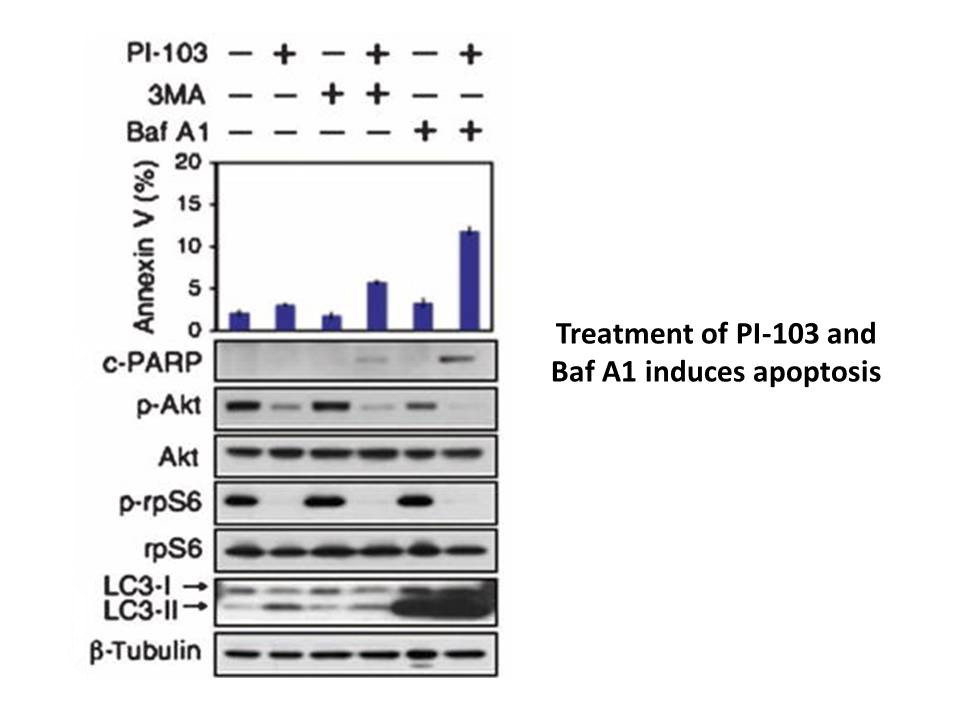
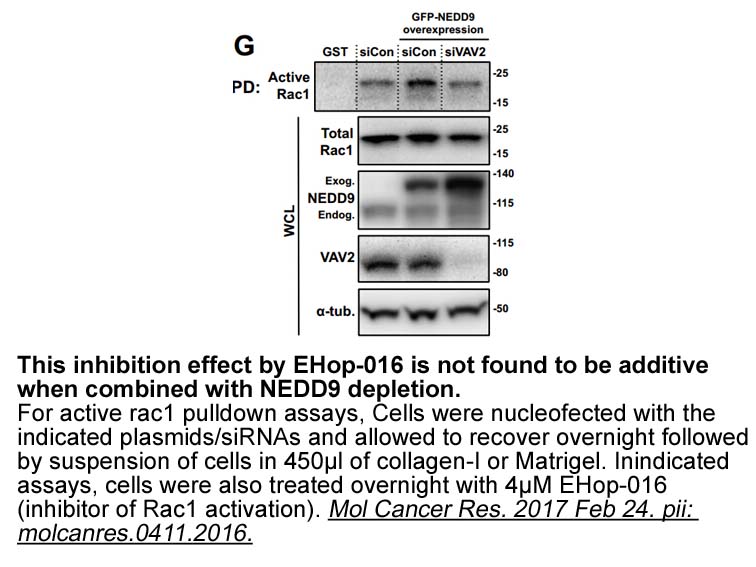
Chemistry All the title molecules were generally synthesized using the procedures shown in Scheme 1, Scheme 2, Scheme 3 [17,18,23,24]. The key 2-chloropyrimidine intermediate 11 was prepared according to our previously reported method via subsequent formylation, reduction, and nucleophilic substi
-
Moreover long term treatment of leukemia cells with
2022-06-01
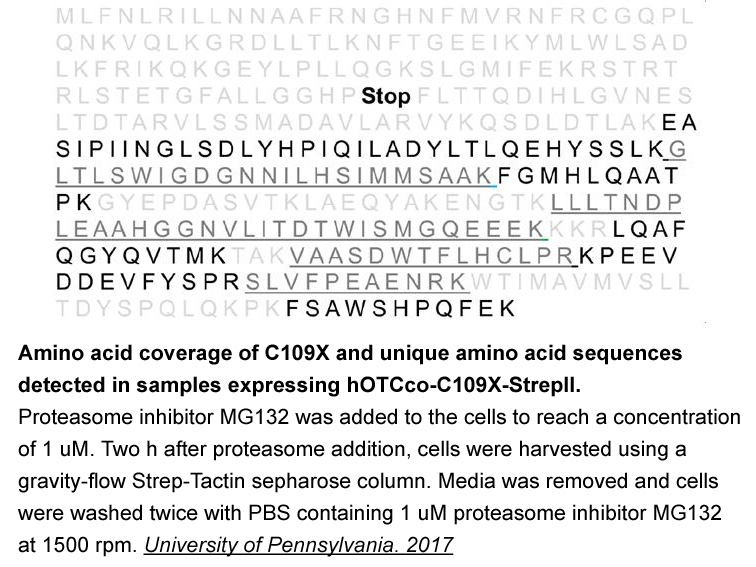
Moreover, long term treatment of leukemia cells with imatinib activates AKT, ERK and STAT5 signaling pathway and induce upregulation of EZH2 protein in patients with CML, Ph + ALL and human eosinophilic leukemia cell line (EOL-1 cells) [142]. So, resistance to tyrosine kinase inhibitor (TKI) imatini
-
EZH interaction with HADC and HDAC through
2022-06-01
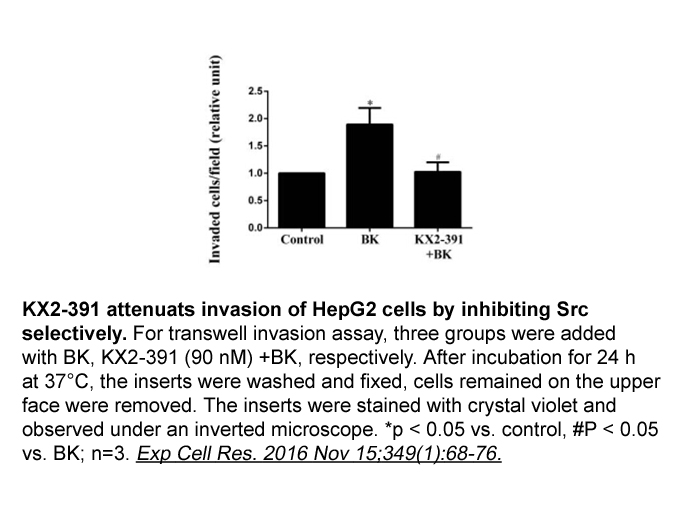
EZH2 interaction with HADC1 and HDAC2 through the EED subunit is known to recruit histone deacetylases [113,114]. Given that PRC2-mediated repression of transcription may be partly dependent on the function of HDACs in specific cell contexts [115], the leukemia cell treatment with hydroxamic carbeno
-
We have expanded these studies by doing EEG
2022-06-01
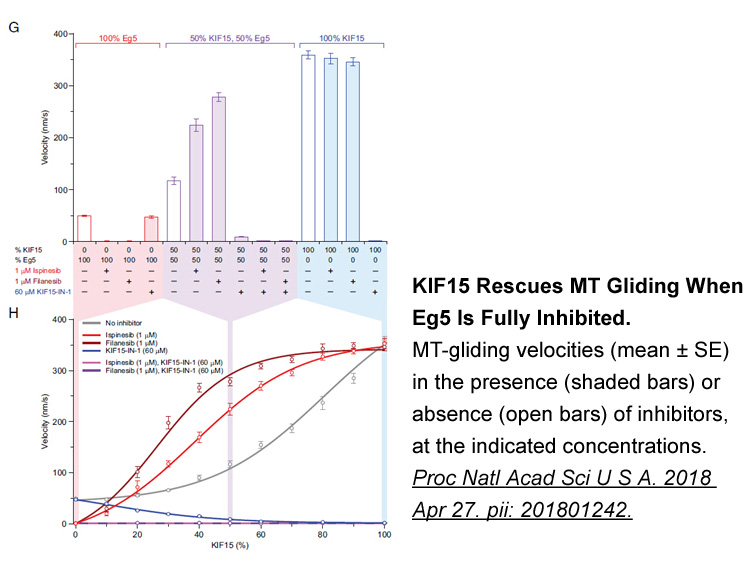
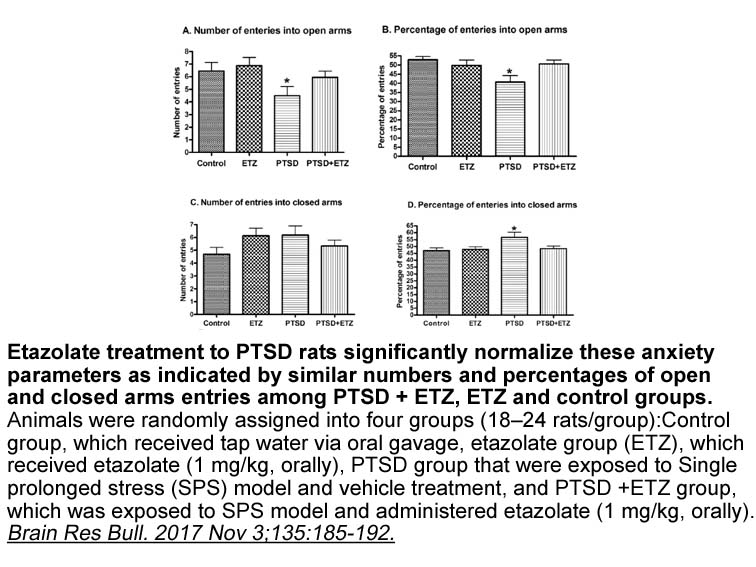
We have expanded these studies by doing EEG recording in the ET-1 model. Using this technique, we demonstrated that activation of either the ETA VO-Ohpic trihydrate or the ETB receptor induces electrical seizures. ET-1 induced electrical seizures occurred in the presence of either the ETA receptor
-
br Conclusion br Acknowledgement br Introduction Biogenic
2022-06-01
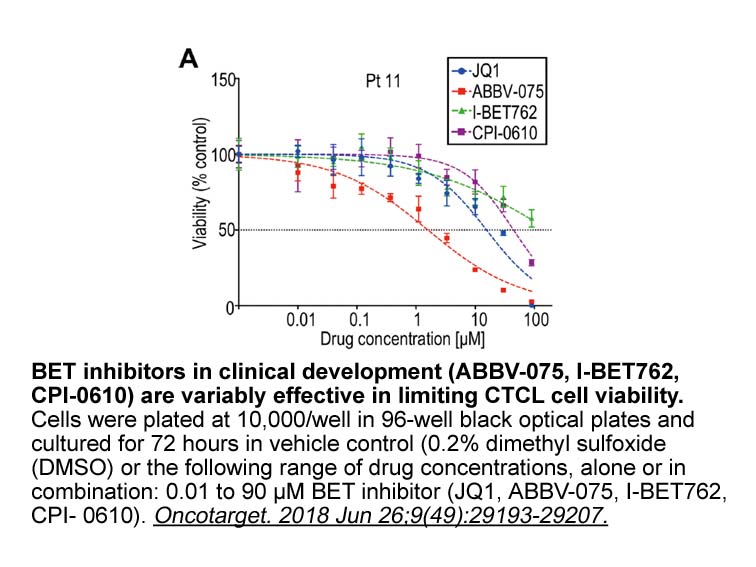
Conclusion Acknowledgement Introduction Biogenic amine histamine is synthesized from L-histidine by histidine decarboxylase (HDC). Histamine is involved in a wide variety of pathological and physiological processes including allergic reactions, inflammation, immune responses, gastric secret
-
Of special interest is that riociguat and NO
2022-05-31
Of special interest is that riociguat and NO donors decreased the phosphorylation of many proteins in human platelets. This aspect is presently under further investigation but a few comments can be made already here. Of the extensive spectrum and diversity of human protein kinases and protein phosph
-
br Conflict of interest br Acknowledgement
2022-05-31
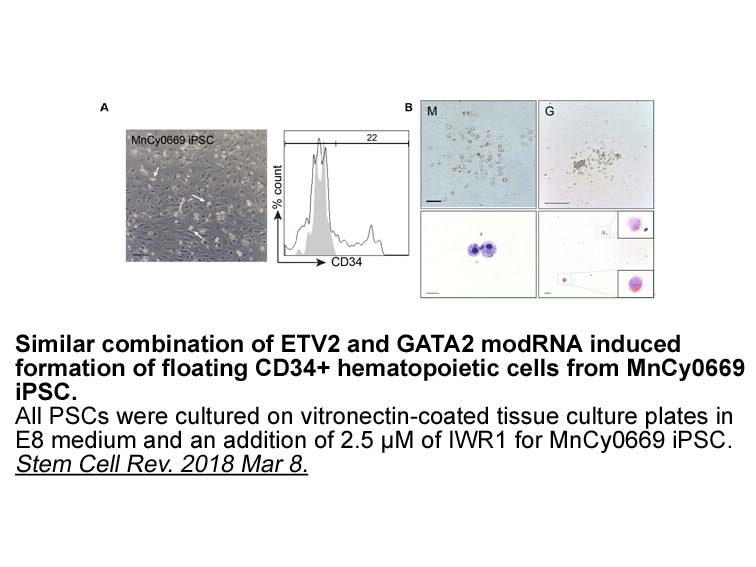
Conflict of interest Acknowledgement Exposure to tobacco smoke in early life has been found to increase the risk of developing asthma and lung function deficits in adolescence and adulthood., , , , However, not all children exposed to tobacco smoke in early life develop asthma, which sugges
-
amiodarone hcl In the H NMR spectrum two
2022-05-31
In the 1H NMR spectrum two pairs of doublet resonances arising from the protons in the aromatic moiety of the two diastereoisomers can be readily observed around 7.5–7.6 ppm. These resonances can be used to detect and quantify the two diastereoisomers. From the results presented in Fig. 1A it can be
-
In addition to gonadotropes GnRHRs have also
2022-05-31
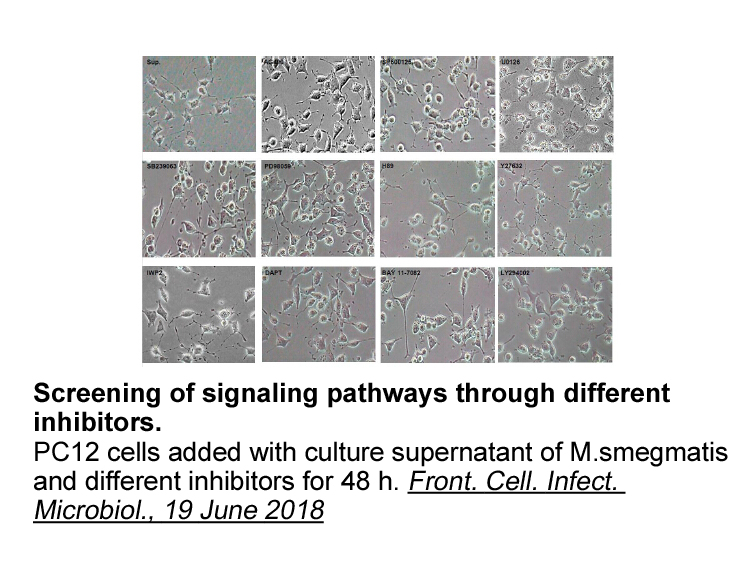
In addition to gonadotropes, GnRHRs have also been detected on somatotropes, lactotropes, thyrotropes, melanotropes, somatolactin (SL) cells, and/or corticotropes using immunohistochemical, radioligand-binding, or mRNA expression approaches across species; including fishes, rats, and humans (La Rosa
-
br Experimental br Results and discussions br Conclusions In
2022-05-31
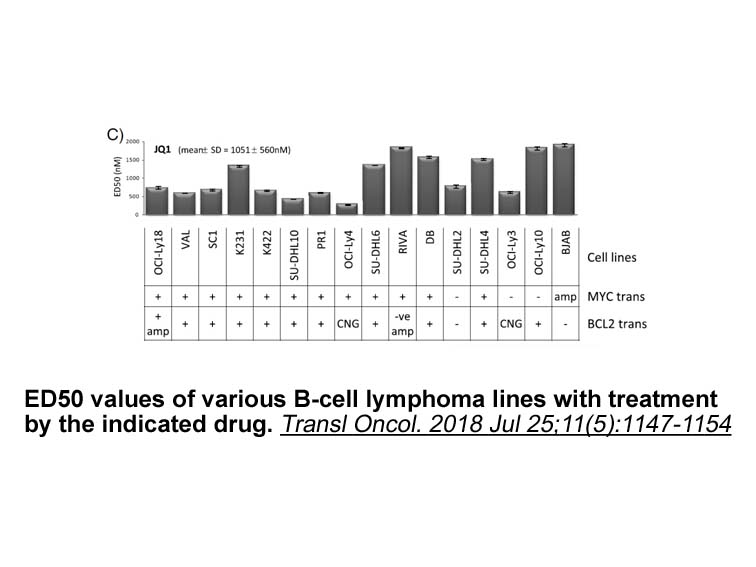
Experimental Results and discussions Conclusions In this work, a novel label-free ECL biosensing method was developed to detect TDG activity using signal amplification strategy of HCR which was triggered by DNA functionalized AuNPs. The label-free ECL biosensing platform has been constructe
-
Because AM had limited efficacy on rodent GPR we
2022-05-31
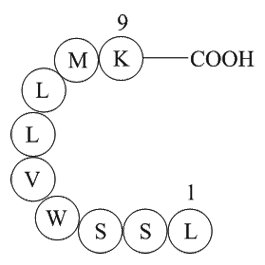
Because (AM-3189) had limited efficacy on rodent GPR40, we used two rodent models expressing human GPR40 to demonstrate efficacy of (AM-3189). First, we used human islet transplanted nude mice. In this model, endogenous pancreatic β-cells were ablated using streptozotocin, and mice were rescued to
-
To further investigate if GPR was the functional target
2022-05-31
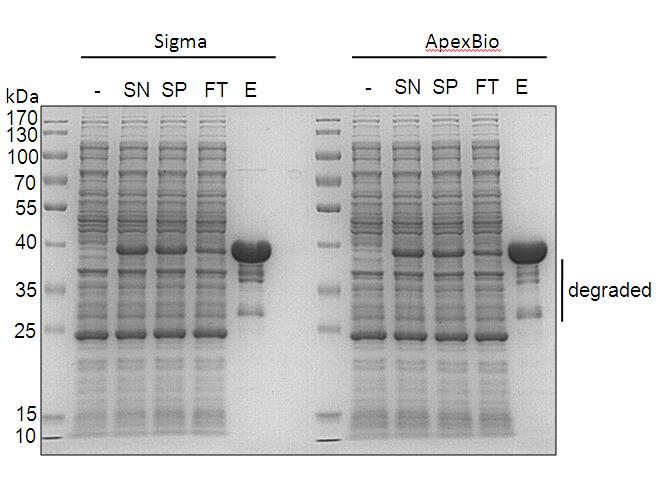
To further investigate if GPR40 was the functional target of these phenylpropiolic STF 31 analogs, GW-1100, a selective antagonist of GPR40-mediated Ca2+ elevations in HEK293 cells with an IC50 value equal to 1 μM, was used to inhibit agonist-induced intracellular calcium flux [15]. HEK293-GPR40 ce
-
LY 2389575 hydrochloride br Dysregulation of glutamate trans
2022-05-31

Dysregulation of glutamate transporter expression and function Aberrant glutamate transporter function and expression are associated with various neurological disorders. Therefore, understanding the underlying mechanisms of EAAT1/2 expression may provide therapeutic targets for treating neurologi
-
aldehyde dehydrogenase br Methods br Results br Discussion A
2022-05-31
Methods Results Discussion Among three main signaling pathways activated by bFGF, the MAPK pathway was found to be involved in the upregulation of GR levels. So far, there have been a few candidates that could connect activated ERK to the upregulation of GR. One likely candidate is the zinc
-
Bile acids BAs are detergent like amphipathic molecules synt
2022-05-31

Bile acids (BAs) are detergent-like amphipathic molecules synthesized from cholesterol in the liver, stored in the gallbladder, and released into the intestine after food intake in order to facilitate the Isotretinoin australia of dietary lipids and liposoluble vitamins. BAs travel along the intest
8509 records 482/568 page Previous Next First page 上5页 481482483484485 下5页 Last page