Archives
- 2026-08
- 2026-07
- 2026-06
- 2026-05
- 2026-04
- 2026-03
- 2026-02
- 2026-01
- 2025-12
- 2025-11
- 2025-10
- 2025-09
- 2025-04
- 2025-03
- 2025-02
- 2025-01
- 2024-12
- 2024-11
- 2024-10
- 2024-09
- 2024-08
- 2024-07
- 2024-06
- 2024-05
- 2024-04
- 2024-03
- 2024-02
- 2024-01
- 2023-12
- 2023-11
- 2023-10
- 2023-09
- 2023-08
- 2023-07
- 2023-06
- 2023-05
- 2023-04
- 2023-03
- 2023-02
- 2023-01
- 2022-12
- 2022-11
- 2022-10
- 2022-09
- 2022-08
- 2022-07
- 2022-06
- 2022-05
- 2022-04
- 2022-03
- 2022-02
- 2022-01
-
Several named antagonist ligands have figured noticeably in
2022-02-23
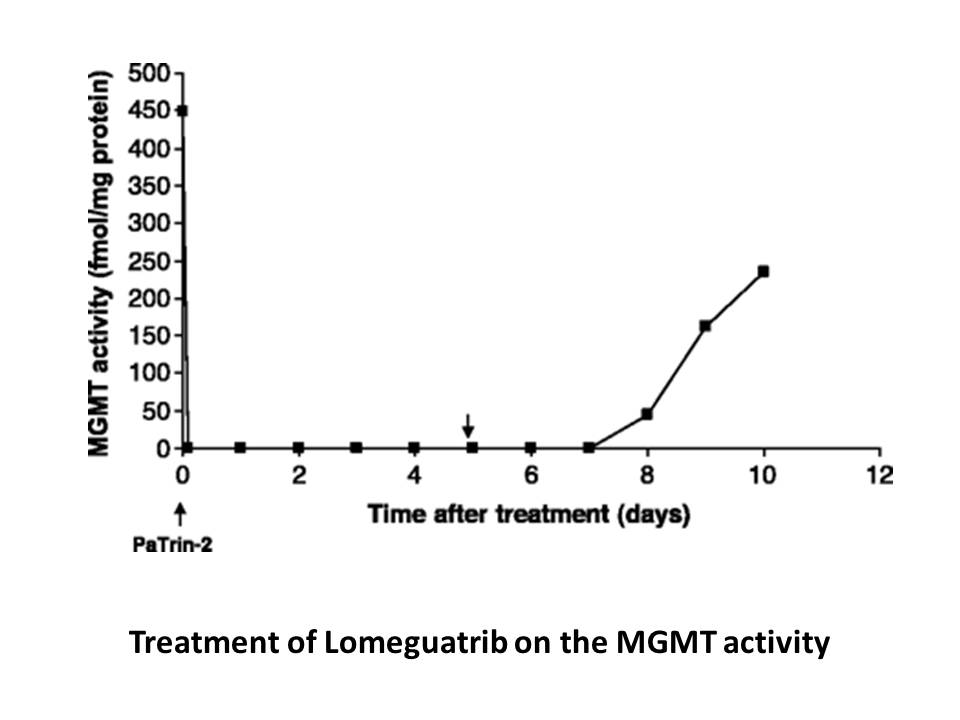
Several named antagonist ligands have figured noticeably in preclinical studies, with proved clear ability to release neurotransmitters and having efficacy in preclinical animal models. Consequently, this has encouraged ongoing research on improved agents with potency, selectivity, and better drug-l
-
In addition to acting as the gatekeeper
2022-02-22

In addition to acting as the gatekeeper for the metabolic and antioxidant roles of glucose, HKs have also been found to regulate mPTP opening directly. First described in the cancer field, the high-affinity HK isoforms HK1 and HK2 are strongly anti-apoptotic when bound to the outer mitochondrial mem
-
br Role of dynamin in NPRA endocytosis
2022-02-22
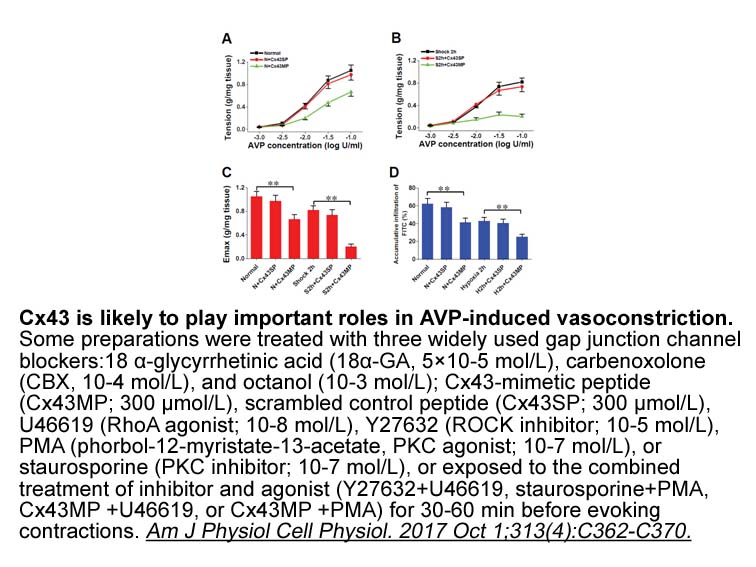
Role of dynamin in NPRA endocytosis In recent studies using 125I-ANP binding assay and confocal microscopy, we have examined the role of dynamin in the internalization and trafficking of NPRA in a stably transfected HEK-293 AZD6738 [69]. Our findings indicated that ANP treatment of high-density N
-
A-1331852 Despite the rapid development of synthetic ligands
2022-02-22
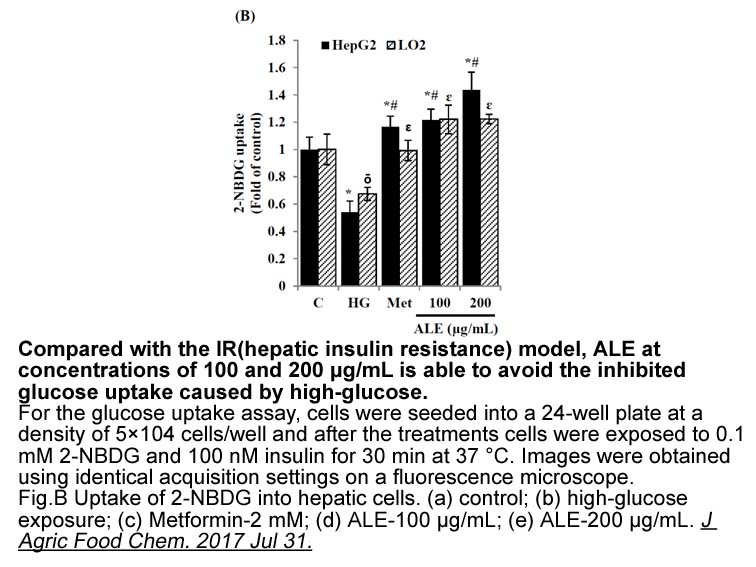
Despite the rapid development of synthetic ligands, the endogenous ligands of GPR109A, GPR109B and GPR81 remained elusive until recently. This is probably the result of their relatively low potencies and their metabolite character (Table 1). Traditionally, agonists of GPCRs were believed to belong t
-
Despite the rapid development of synthetic ligands the endog
2022-02-22
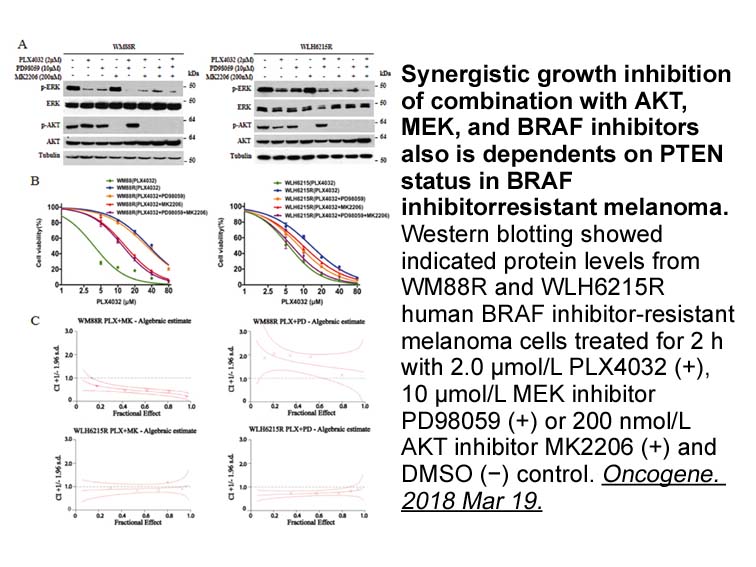
Despite the rapid development of synthetic ligands, the endogenous ligands of GPR109A, GPR109B and GPR81 remained elusive until recently. This is probably the result of their relatively low potencies and their metabolite character (Table 1). Traditionally, agonists of GPCRs were believed to belong t
-
Finally LC ESI MS MS was applied to explore
2022-02-22
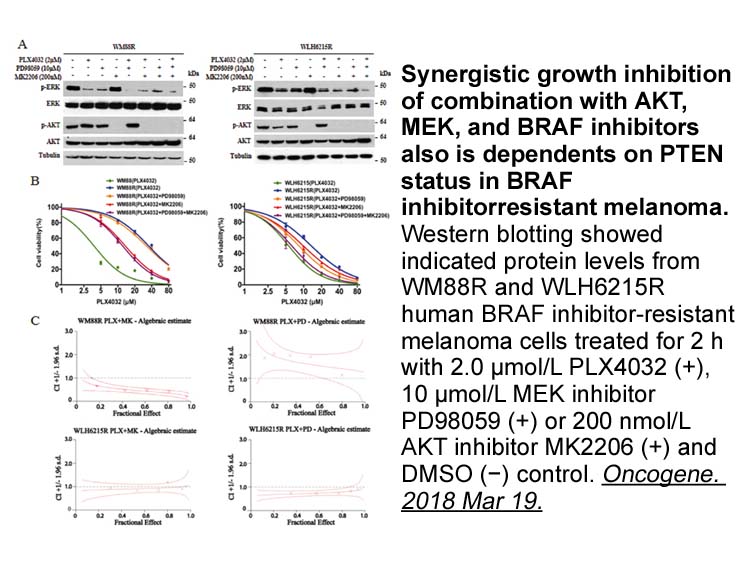
Finally, LC-ESI-MS/MS was applied to explore the effects of increased fT4 levels 4 and 8 weeks after induced thyrotoxicosis and have revealed an upregulation of proteins involved in blood coagulation, thus providing a clear association [126]. Conclusions Introduction Diabetes mellitus (DM) ha
-
We first set out to identify the minimum pharmacophore
2022-02-22
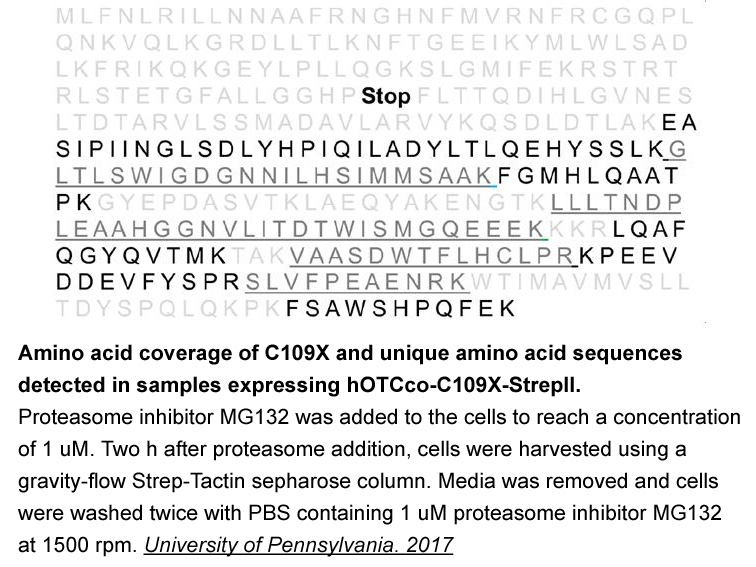
We first set out to identify the minimum pharmacophore. Early structure activity relationships (SAR) indicated that the chloro substituents were not required and that the benzisoxazole moiety could be replaced by a number of other groups. A broad survey of “left-hand” hydrophobic moieties was conduc
-
Selection of the month br Fibrosis br Liver protection devic
2022-02-22
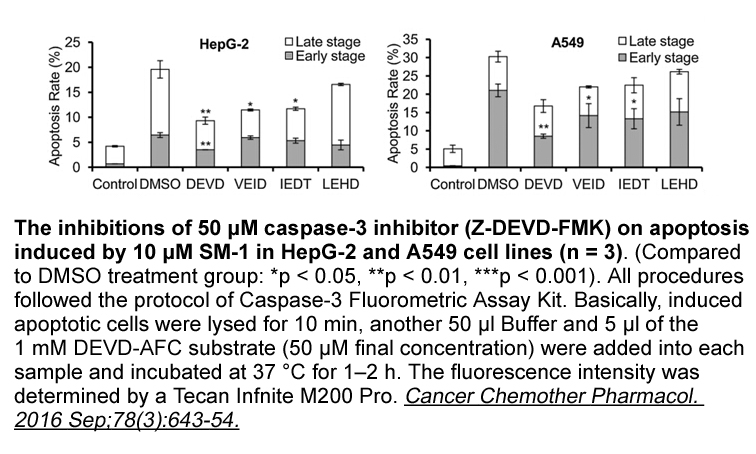
Selection of the month Fibrosis Liver protection device Non-alcoholic steatohepatitis Genetic metabolic liver disease Hepatitis C virus (HCV) infection Hepatitis B virus (HBV) infection Cirrhosis Regeneration Introduction Upon catalysis by hepatic and bacterial enzymes, c
-
As a part of our continuing efforts towards
2022-02-22

As a part of our continuing efforts towards discovery of new class of compounds against different therapeutic areas and based on the literature reports, we designed a dual pharmacophore which possess a long aliphatic chain of free fatty acids and a phenyl propanoid part of known GPR40 agonists. Here
-
Peripheral injury or disease induced alterations in synaptic
2022-02-22
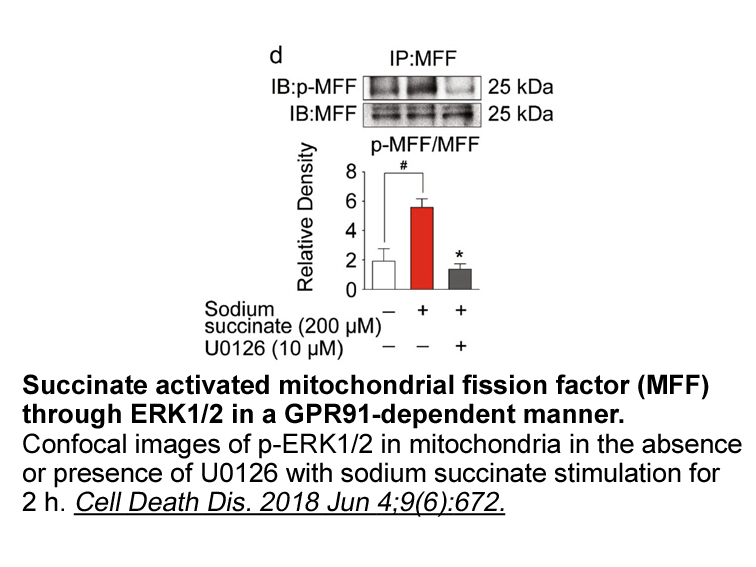
Peripheral injury- or disease-induced alterations in synaptic efficacy occur not only at the first synapse made by the primary nociceptive afferents in the spinal dorsal horn but are also operational in several regions processing the sensorimotor as well as emotional-affective components of pain, su
-
Glucagon was described as an insulin secretagogue as
2022-02-22

Glucagon was described as an insulin secretagogue as early as 1965 (Samols et al., 1965). Our studies extend these findings by demonstrating that this is a direct effect mediated by distinct receptors in the mouse pancreas. Previous experiments on isolated β biotin-LC-LC-tyramide synthesis clearly
-
T-5224 receptor br Acknowledgments br Introduction Postmenop
2022-02-22

Acknowledgments Introduction Postmenopausal osteoporosis, which is primarily caused by T-5224 receptor deficiency, has been a worldwide health problem and threatens postmenopausal women of all races. An estimated 80% of osteoporosis patients in the United States are women, and approximately 30
-
After the successful development of molecular targeted
2022-02-21
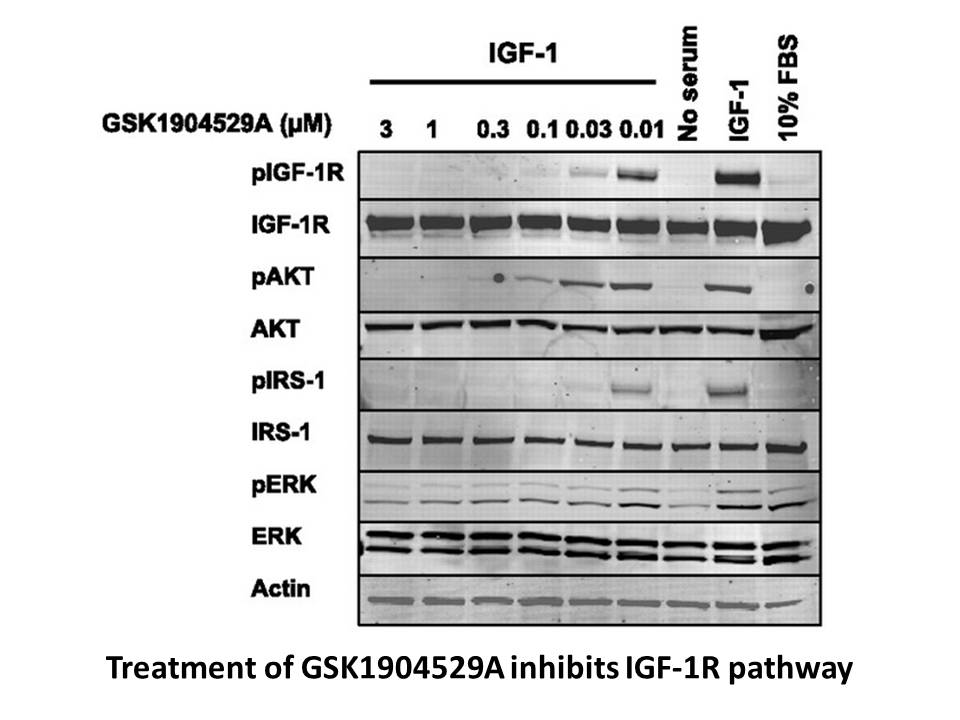
After the successful development of molecular targeted drugs in lung adenocarcinoma, substantial efforts have been made to provide similar targeted drugs in lung squamous-cell carcinoma. Because FGFR gene alteration is the most frequent occurrence in squamous-cell carcinoma, targeted therapies for F
-
br Acknowledgments This study was financially supported by N
2022-02-21
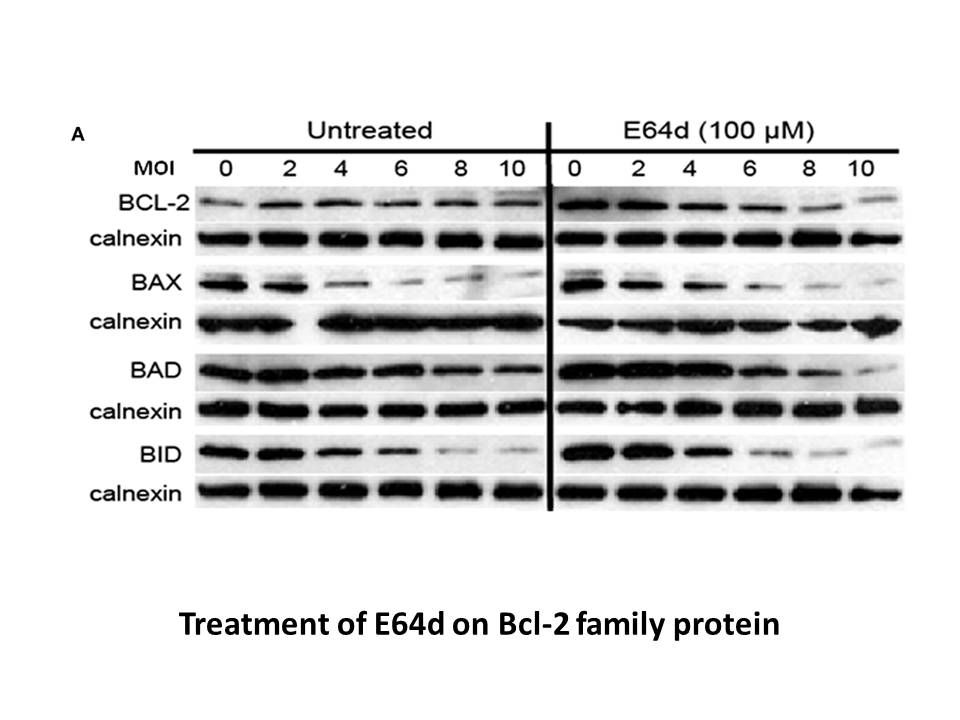
Acknowledgments This study was financially supported by National Science Center Poland grant No DEC-2011/02/A/NZ4/00031 (KKK), Jagiellonian University Medical College (Poland) grants: K/ZDS/007130 (SM) and K/ZDS/007131 (SM), COST Action CA15135 (DŁ, HS, KKK) and DFG INST 208/664-1 FUGG (HS). Than
-
It is difficult however to assure that
2022-02-21
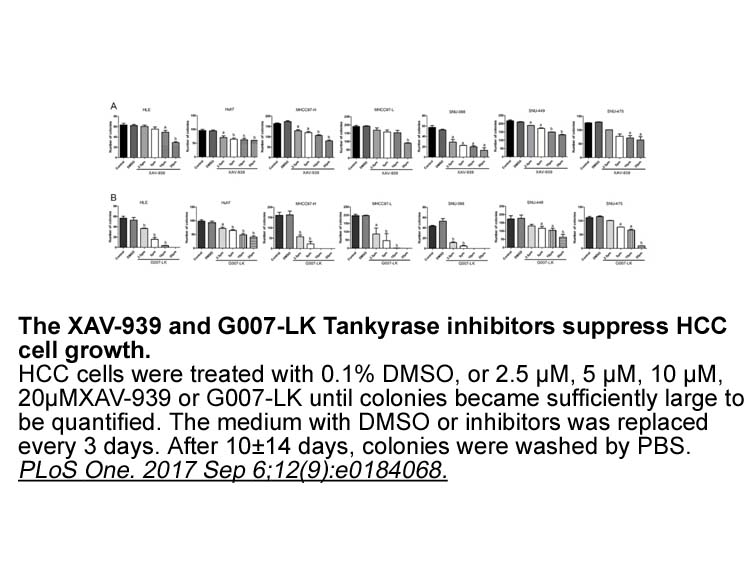
It is difficult, however, to assure that observed alterations of pro-oxidant/antioxidant levels within the studied organisms are related directly to heavy metal pollution, rather than to other accompanying environmental stressors. Environmental factors like oxygen partial pressure, temperature, sali
8509 records 539/568 page Previous Next First page 上5页 536537538539540 下5页 Last page