Archives
- 2026-08
- 2026-07
- 2026-06
- 2026-05
- 2026-04
- 2026-03
- 2026-02
- 2026-01
- 2025-12
- 2025-11
- 2025-10
- 2025-09
- 2025-04
- 2025-03
- 2025-02
- 2025-01
- 2024-12
- 2024-11
- 2024-10
- 2024-09
- 2024-08
- 2024-07
- 2024-06
- 2024-05
- 2024-04
- 2024-03
- 2024-02
- 2024-01
- 2023-12
- 2023-11
- 2023-10
- 2023-09
- 2023-08
- 2023-07
- 2023-06
- 2023-05
- 2023-04
- 2023-03
- 2023-02
- 2023-01
- 2022-12
- 2022-11
- 2022-10
- 2022-09
- 2022-08
- 2022-07
- 2022-06
- 2022-05
- 2022-04
- 2022-03
- 2022-02
- 2022-01
-
br Ca influx through glutamate
2022-01-29
Ca2+ influx through glutamate receptors is thought to play a critical role in synaptogenesis and in the formation of neuronal circuitry during early development[45]. Because AMPA receptors might contribute to these processes, particularly at times and in cells in which NMDA receptor expression is
-
br Acknowledgements Supported by the
2022-01-29
Acknowledgements Supported by the grant from National Natural Science Funds of China (81371262). I would like to express my heartfelt gratitude to Professor Yonghua Zhu, who help language editing. Introduction Glucocorticoids are steroid hormones secreted from the adrenal glands in response t
-
Conversely we find that dysfunction in lysosomal
2022-01-29

Conversely, we find that dysfunction in lysosomal-autophagy system observed in human APP and PSEN1 mutant neurons can be reversed by β-secretase inhibition, which reduces the supply of APP-β-CTF to the late endosome and/or lysosome (Jiang et al., 2010). These data argue that accumulation and/or alte
-
br Conclusion In conclusion rats in this model
2022-01-28
Conclusion In conclusion, rats in this model of HELLP syndrome demonstrated increased placental and circulating FasL and increased placental Fas when compared to NP rats. Administration of an ETA receptor antagonist to HELLP rats tended to decrease circulating FasL and placental Fas, while not af
-
The deduced amino acid sequences
2022-01-28
The deduced amino Fluticasone propionate synthesis sequences of all scIPPSs display high similarity, and sequence alignments reveal seven conserved regions [2]. Regions II and VI contain the substrate-binding regions, with two characteristic aspartate-rich motifs (DDx(xx)xD; where x represents any a
-
The ability to metastasize is the defining character
2022-01-28
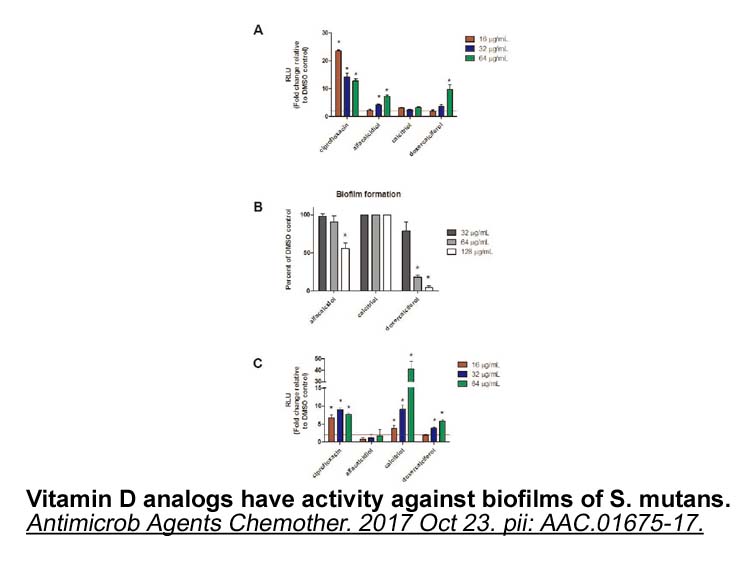
The ability to metastasize is the defining character of a cancer and the leading cause for resultant mortality. It is hypothesized that a rare subset of cancer cells, often operationally referred to as “cancer stem cells” (CSCs), are responsible for sustaining cancer metastasis and recurrence [1]. T
-
br Acknowledgements This work was supported by grants from
2022-01-28
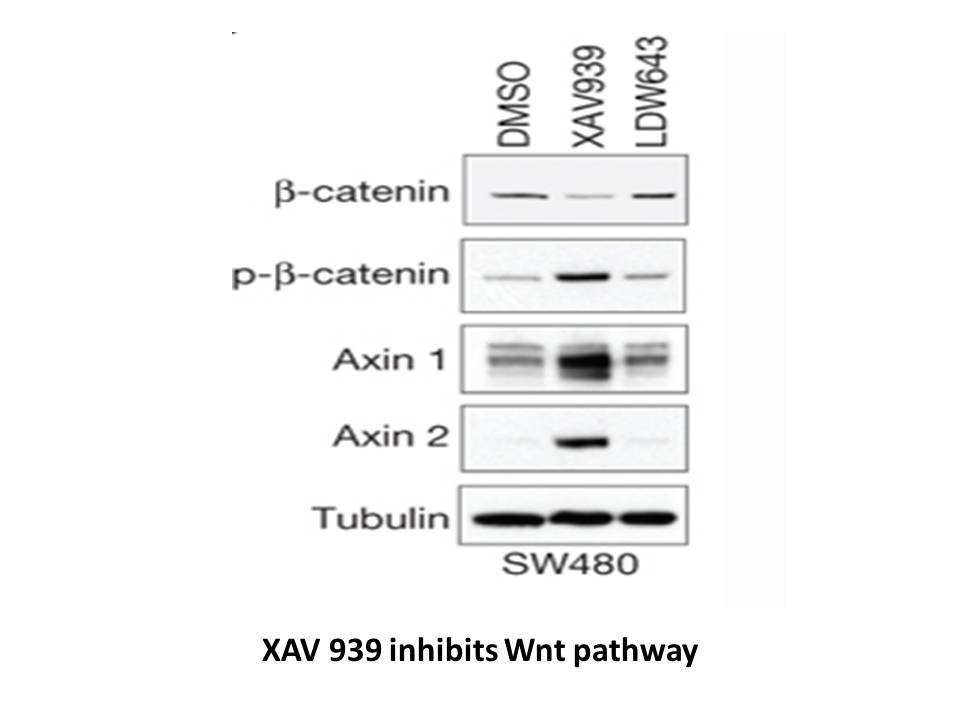
Acknowledgements This work was supported by grants from the Agencia Nacional de Promoción Científica y Tecnológica (PICT2013-0495, PICT2016-1821), and from CONICET (PIP 2013-562), as well as from Fundación René Barón and Fundación Williams. Introduction Histamine poisoning, also known as scom
-
Certainly the immune relevance of Hippo becomes more complic
2022-01-28

Certainly, the immune relevance of Hippo becomes more complicated and divergent in the vertebrates than in Drosophila. In terms of inflammation of mammalians, the stories are diversified (Fig. 2). Previously, MST1/2 has been well characterized not only as a controller of lymphocytes adhesion and mi
-
br Conclusion The addition of cellulose to
2022-01-28

Conclusion The addition of Fisetin australia to natural substrate increases the number of H-bonds which indicates an increase in the stability of the docking systems. The investigated compounds are more stable than natural substrate in docking systems, where the natural substrate has two H-bonds
-
br Author contributions br Conflict of interest br Acknowled
2022-01-28
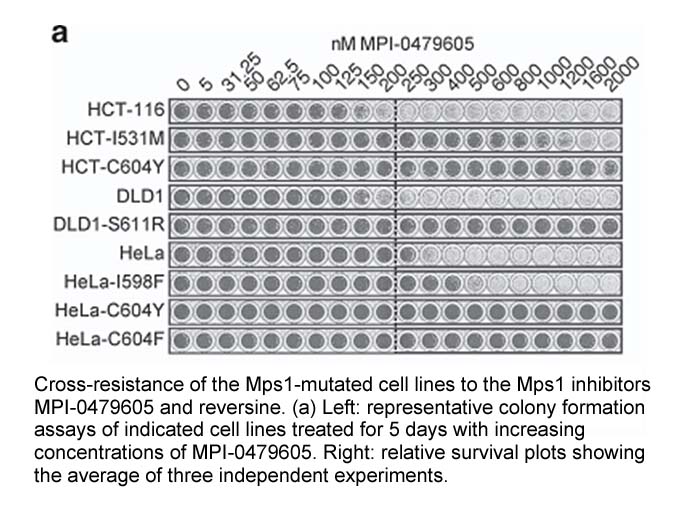
Author contributions Conflict of interest Acknowledgments We appreciate technical support of the Research Support Center at the Graduate School of Medical Sciences of the Kyushu University. This study was supported by the Uehara Memorial Foundation and a KAKENHI grant from the Ministry of E
-
Ferulenol australia It appears that different agonists for G
2022-01-28
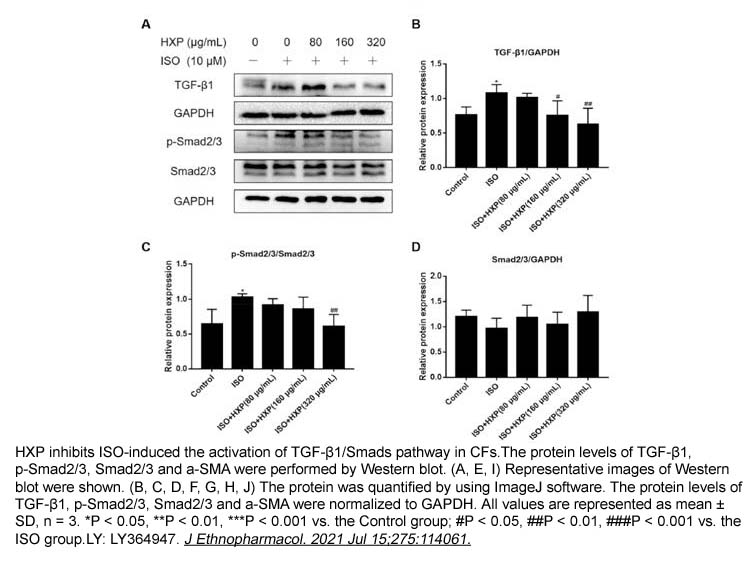
It appears that different agonists for GPR55 activate different signalling pathways [25]. GPR55 activation through LPI has been shown to trigger ERK 1/2 phosphorylation 22, 23, 25, 33. Conversely, endogenous cannabinoid compounds AEA and 2-AG have been shown to have no effect on ERK 1/2 signalling 2
-
Cichlasoma dimerus as most teleost fish
2022-01-28
Cichlasoma dimerus, as most teleost fish species, present neurons expressing GnRH3 (Pandolfi et al., 2005). As in most Adenosine Kinase Inhibitor hydrate species, the neurons expressing GnRH3 are mainly located in the NOR, although few neurons were detected in the olfactory bulb, ventral telencepha
-
Mapping and separation of the anti GlyT C
2022-01-28
Mapping and separation of the anti-GlyT1C epitopes allowed us to verify the existence of calpain cleavage sites in isolated mouse synaptosomes. In order to allow calcium to enter the intrasynaptosomal compartment and activate endogenous calpain, we incubated synaptosomes in hypoosmotic high (200μM)
-
A localization of GK to both a
2022-01-28
A localization of GK to both a cytoplasmic and perinuclear area of normal rat pancreatic beta-cells was reported in 1996 (Noma et al., 1996), which changed on acute hyperglycemia to a more diffuse staining throughout the cytoplasm. The localization of GK within the nucleus was first reported by Mura
-
br Presenilins and apoptosis Apoptosis also known as
2022-01-27
Presenilins and apoptosis Apoptosis, also known as programmed cell death, has a critically important role in tissue homeostasis, development, normal ageing and the pathogenesis of several diseases, including cancer and neurological disorders. The presenilins were first linked to apoptosis when ce
8509 records 551/568 page Previous Next First page 上5页 551552553554555 下5页 Last page