Archives
- 2026-06
- 2026-05
- 2026-04
- 2026-03
- 2026-02
- 2026-01
- 2025-12
- 2025-11
- 2025-10
- 2025-09
- 2025-04
- 2025-03
- 2025-02
- 2025-01
- 2024-12
- 2024-11
- 2024-10
- 2024-09
- 2024-08
- 2024-07
- 2024-06
- 2024-05
- 2024-04
- 2024-03
- 2024-02
- 2024-01
- 2023-12
- 2023-11
- 2023-10
- 2023-09
- 2023-08
- 2023-07
- 2023-06
- 2023-05
- 2023-04
- 2023-03
- 2023-02
- 2023-01
- 2022-12
- 2022-11
- 2022-10
- 2022-09
- 2022-08
- 2022-07
- 2022-06
- 2022-05
- 2022-04
- 2022-03
- 2022-02
- 2022-01
- 2021-12
- 2021-11
- 2021-10
- 2021-09
- 2021-08
- 2021-07
- 2021-06
- 2021-05
- 2021-04
- 2021-03
- 2021-02
- 2021-01
- 2020-12
- 2020-11
- 2020-10
- 2020-09
- 2020-08
- 2020-07
- 2020-06
- 2020-05
- 2020-04
- 2020-03
- 2020-02
- 2020-01
- 2019-12
- 2019-11
- 2019-10
- 2019-09
- 2019-08
- 2019-07
- 2019-06
- 2019-05
- 2019-04
- 2018-11
- 2018-10
- 2018-07
-
An important example of a frame
2021-11-15
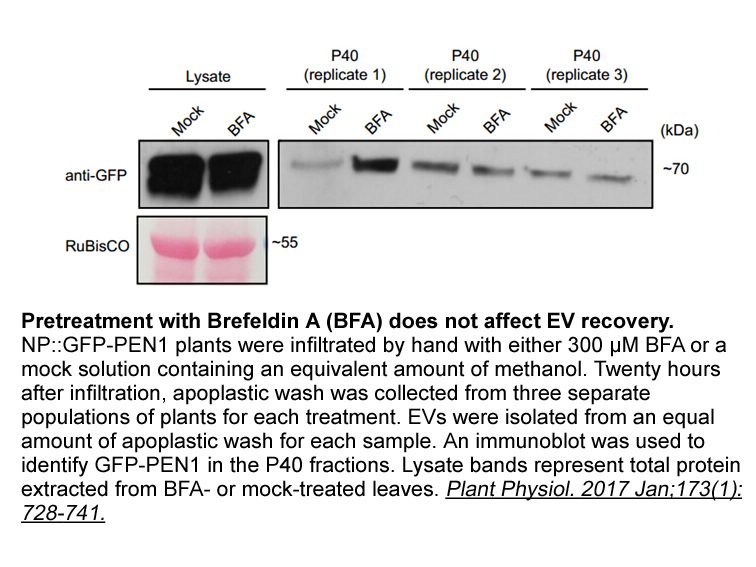
An important example of a frame is the lattice of open subsets of any topological space X. The correspondence is clearly functorial (by taking inverse images), and consequently one has a contravariant functor with the category of topological spaces and continuous maps as domain category. The fun
-
The second class of proteins necessary for
2021-11-15
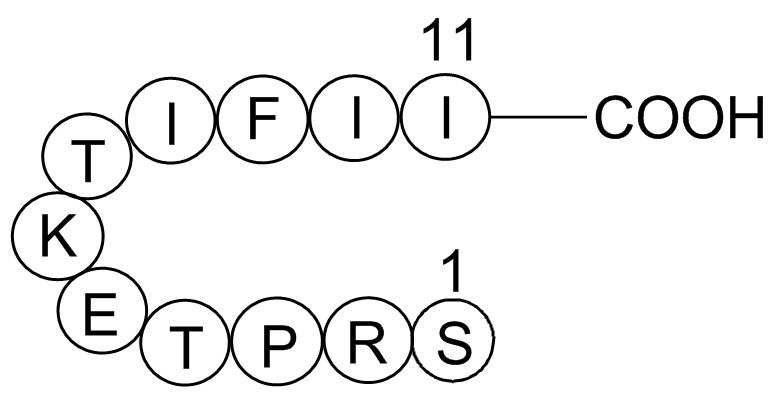
The second class of proteins necessary for maintaining Piperine sale dynamics is chromatin modifiers, which are considered ‘writers’ and ‘erasers’ and are responsible for modifications of histone N-terminal tails. These post-translational modifications can have direct or indirect effects on chromati
-
Thus our data demonstrate that polymorphisms of
2021-11-15
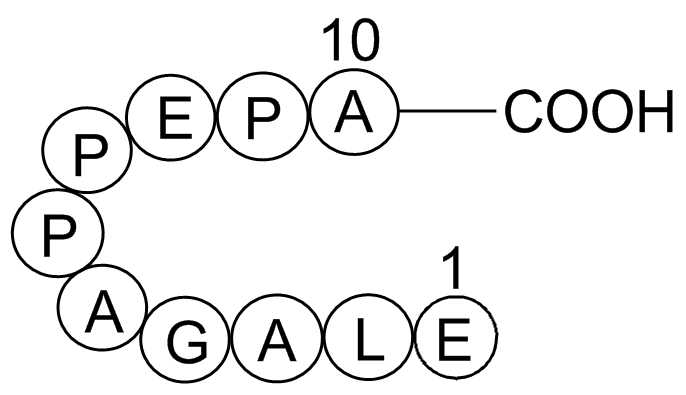
Thus, our data demonstrate that polymorphisms of GSTP1-1 differentially mediate activation of Prdx6 peroxidase activity, providing a platform to imply that contingent upon their GSTP genotype, individuals will have significant differences in mounting an antioxidant response, particularly affecting p
-
br Acknowledgments The financial support from the National N
2021-11-12
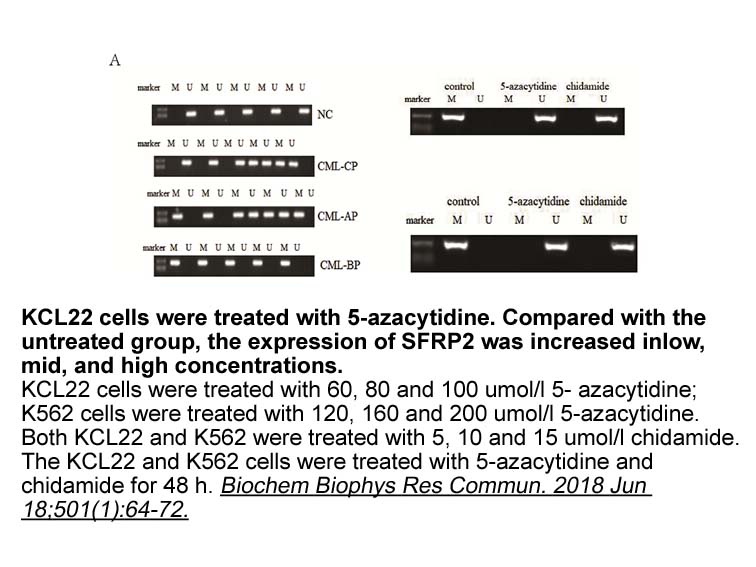
Acknowledgments The financial support from the National Natural Science Foundation of China (Nos. 31460422 and 31060210), the Natural Science Foundation of Jiangxi Province, China (20171BAB204029 and 20143ACB20006), the Project of Science and Technology of Jiangxi Provincial Education Department,
-
tetrandrine australia On the other hand with the exception i
2021-11-12

On the other hand, with the exception in muscle tissue, cGalR2 and cGalR2-L transcripts were also found to be widely distributed among the peripheral tissues at different levels (Fig. 2). The precise functions of cGalR2 and cGalR2-L in these peripheral tissues remain to be established, however, thei
-
Many natural flavonoids have been identified as influencing
2021-11-12
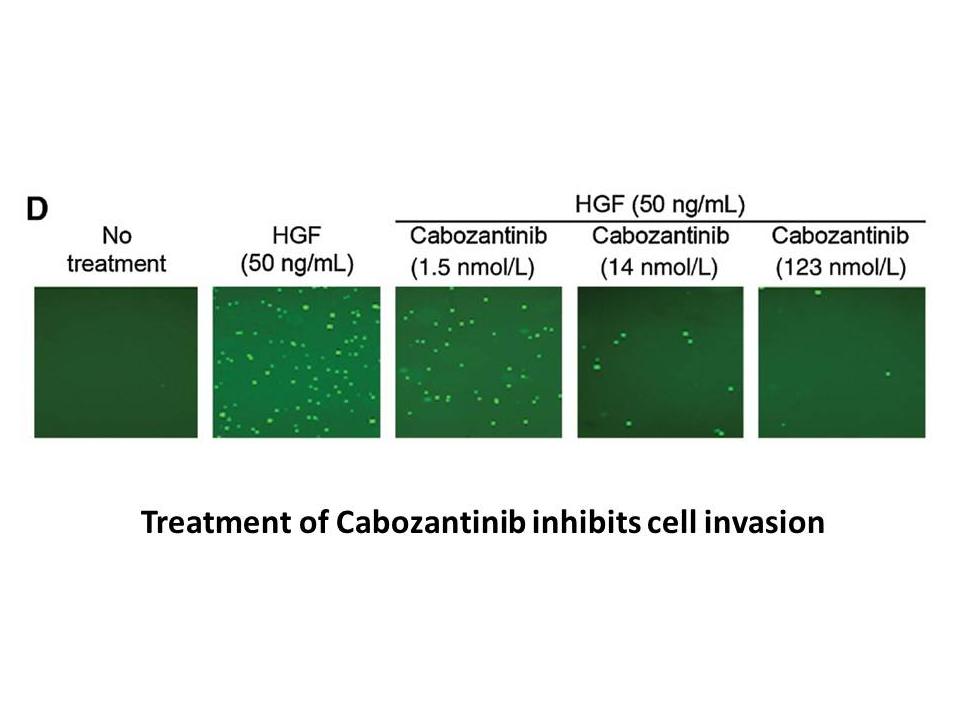
Many natural flavonoids have been identified as influencing ionotropic GABA receptors through bioassay-guided fractionation of plant extracts (Fig. 4). HPLC-based activity profiling of extracts the traditional Chinese herbal drug Kushen (Sophora flavescens root) led to the identification of the 8-la
-
Free fatty acids FFAs which are obtained from dietary
2021-11-12
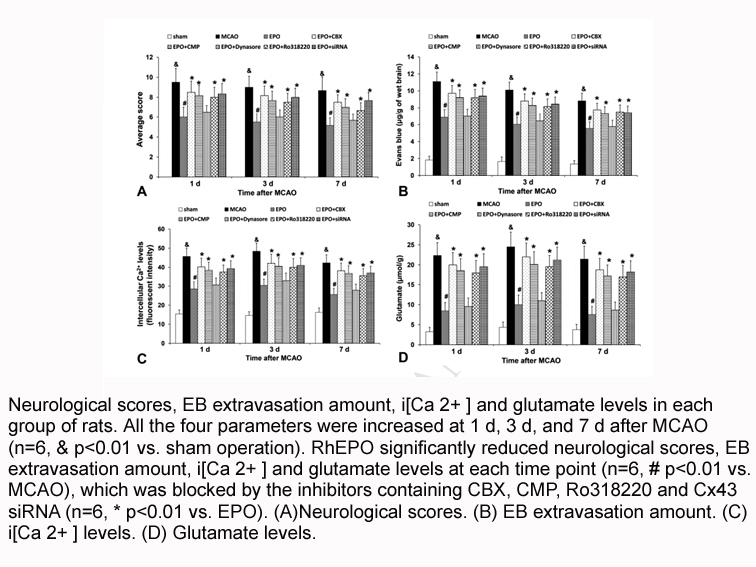
Free fatty acids (FFAs), which are obtained from dietary fat or endogenous synthesis, function as nutrients and signaling molecules. Studies have shown that free fatty CL 316243 disodium salt receptors 1–4 which are G-protein coupled receptors, bind free fatty acids and serve as receptors for these
-
The investigation in vitro revealed that aldolase as
2021-11-12
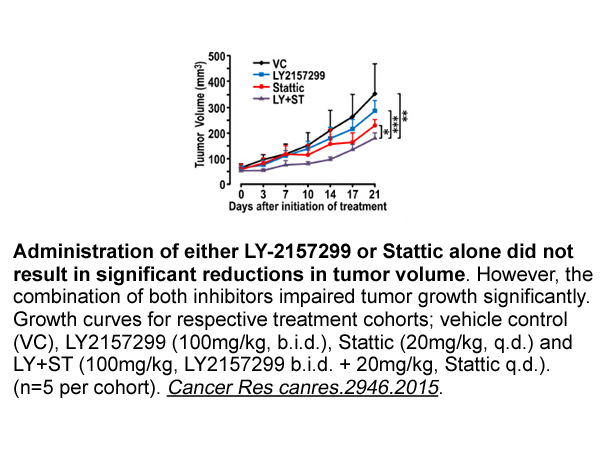
The investigation in vitro revealed that aldolase, as well as FBPase, has affinity to α-actinin, one of the structural protein of the Z-line (Rakus et al., 2003a, Mamczur et al., 2005). Therefore, the existence of in vivo heterologous complex, consisting of aldolase, FBPase and α-actinin has been po
-
br Drugs approved or in development To date three drugs
2021-11-12

Drugs approved or in development To date, three drugs: RAL (MK-0518), EVG (GS-9137) and DTG (GSK1349572) [104], have been approved by the FDA. Their structures are shown in Fig. 5. DTG is under development by GlaxoSmithKline (GSK), and studies have shown DTG to be effective in patients with resis
-
YAP TAZ nuclear function is also influenced by interaction w
2021-11-12
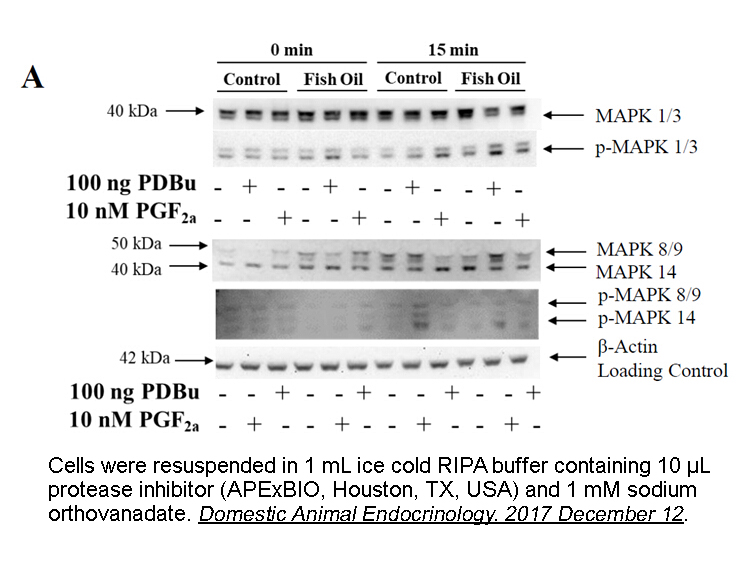
YAP/TAZ nuclear function is also influenced by interaction with the TEAD family of transcription factors [96, 97, 98, 99, 100, 101]. The RAC1 BIX 02189 australia exchange factor protein TIAM1 has recently been linked to YAP/TAZ regulation in the nucleus and cytoplasm. Nuclear TIAM1 inhibits YAP/TAZ
-
br Disclosures br Introduction The brown planthopper Nilapar
2021-11-12
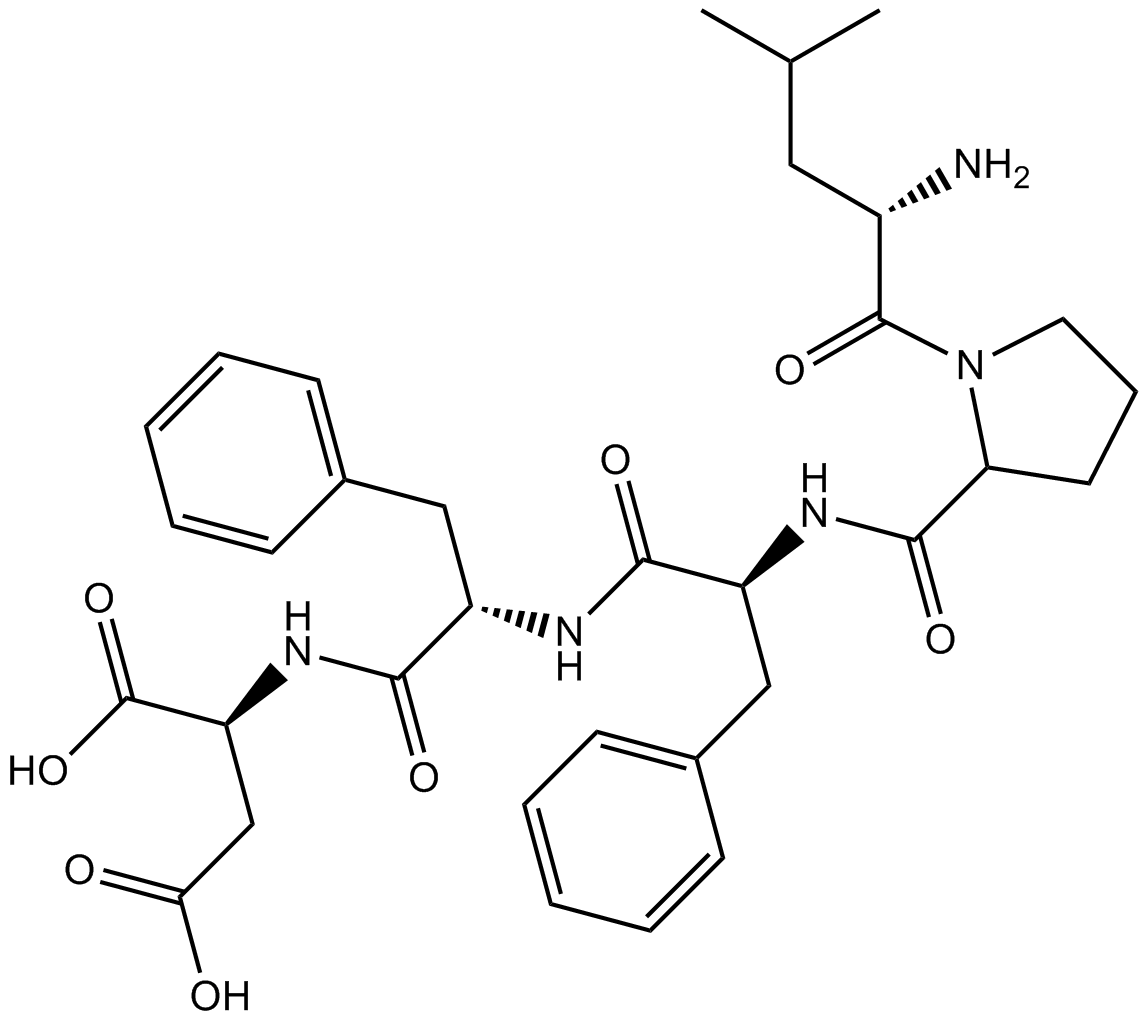
Disclosures Introduction The brown planthopper, Nilaparvata lugens (Stål) (Hemiptera: Delphacidae), is a classic insecticide-induced resurgent pest throughout Asian rice-growing regions (Chelliah and Heinrichs, 1980). The resurgence of N. lugens induced by commonly used chemical agents has bee
-
A series of P P ureas were explored first and
2021-11-12

A series of P3-P4 ureas were explored first and their anti-NS3 protease activity, antiviral properties in a HCV replicon cell-based assay and PK profiles examined. Installation of a methyl group on the P4 side nitrogen Oxamic acid of the urea yielded , a molecule which retained intrinsic potency ag
-
We report herein an electrochemical analysis of the interact
2021-11-11
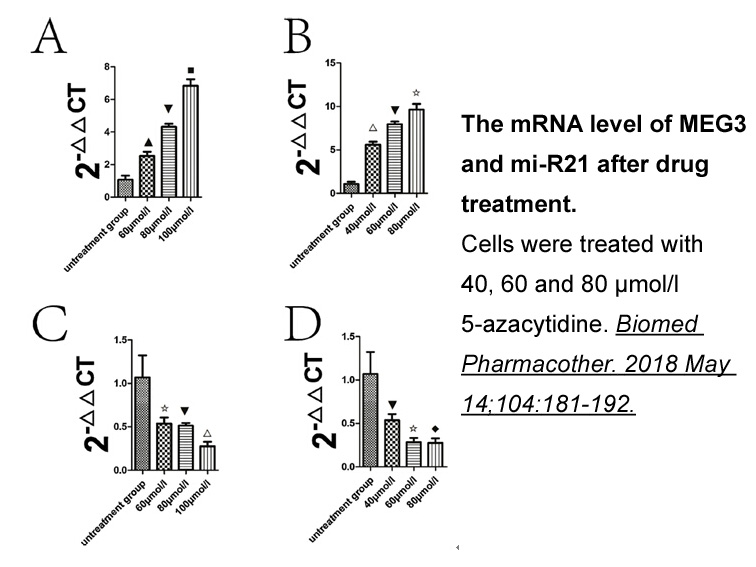
We report herein an electrochemical analysis of the interaction between L1 and sGC, where conventional solution phase voltammetry is combined with a novel technique, the voltammetry of microparticles (VMP), in order to obtain mechanistic information on the deactivation of sGC by L1. The VMP is a sol
-
To this end we evaluated
2021-11-11
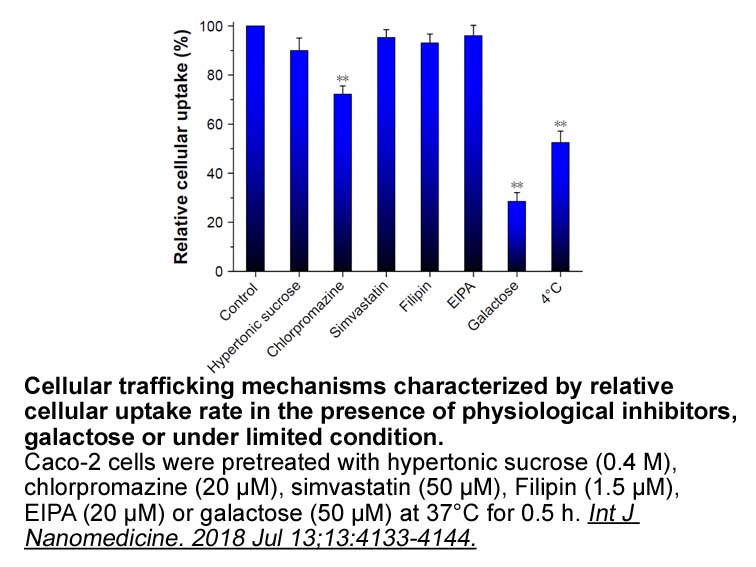
To this end, we evaluated novel D22 analogs for selectivity to inhibit substrate transport in OCT2, OCT3, and PMAT heterologous cell 69 8 systems, and in mouse hippocampal and striatal preparations. Chosen analogs were based upon availability of essential chemical precursors (e.g. 6-substituted-2-m
-
The standard model of stress postulates the
2021-11-11
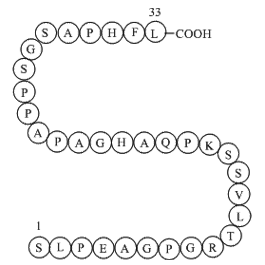
The standard model of stress postulates the activation of both the sympathoadrenomedullary axis and the hypothalamo-pituitary-adrenocortical axis. Long-term activation of either neuroendocrine axes has been shown to be harmful [12]. Short-term activation of the sympathoadrenomedullary axis is used t
16714 records 591/1115 page Previous Next First page 上5页 591592593594595 下5页 Last page